The difference between thermal shock and thermal cycling comes down to how quickly a product moves between temperature extremes.
Thermal shock is rapid. Thermal cycling is controlled and gradual.
Both methods expose products to repeated hot and cold conditions, but they don’t produce the same stresses or reveal the same types of weakness. Choosing the wrong approach can lead to an overly severe test, an unrepresentative result or a chamber that doesn’t match the required method.
The starting point is the product’s real-world environment or the test standard you need to follow. A component that may move suddenly from a cold outdoor environment into a hot operating condition faces a different challenge from a product that warms and cools over a normal operating cycle.
This guide explains how thermal shock and thermal cycling differ, what each method can reveal and what to clarify before selecting a test chamber.
Thermal shock vs thermal cycling at a glance
| Factor | Thermal shock | Thermal cycling |
|---|---|---|
| Temperature change | Very rapid transition between hot and cold conditions | Controlled heating and cooling over repeated cycles |
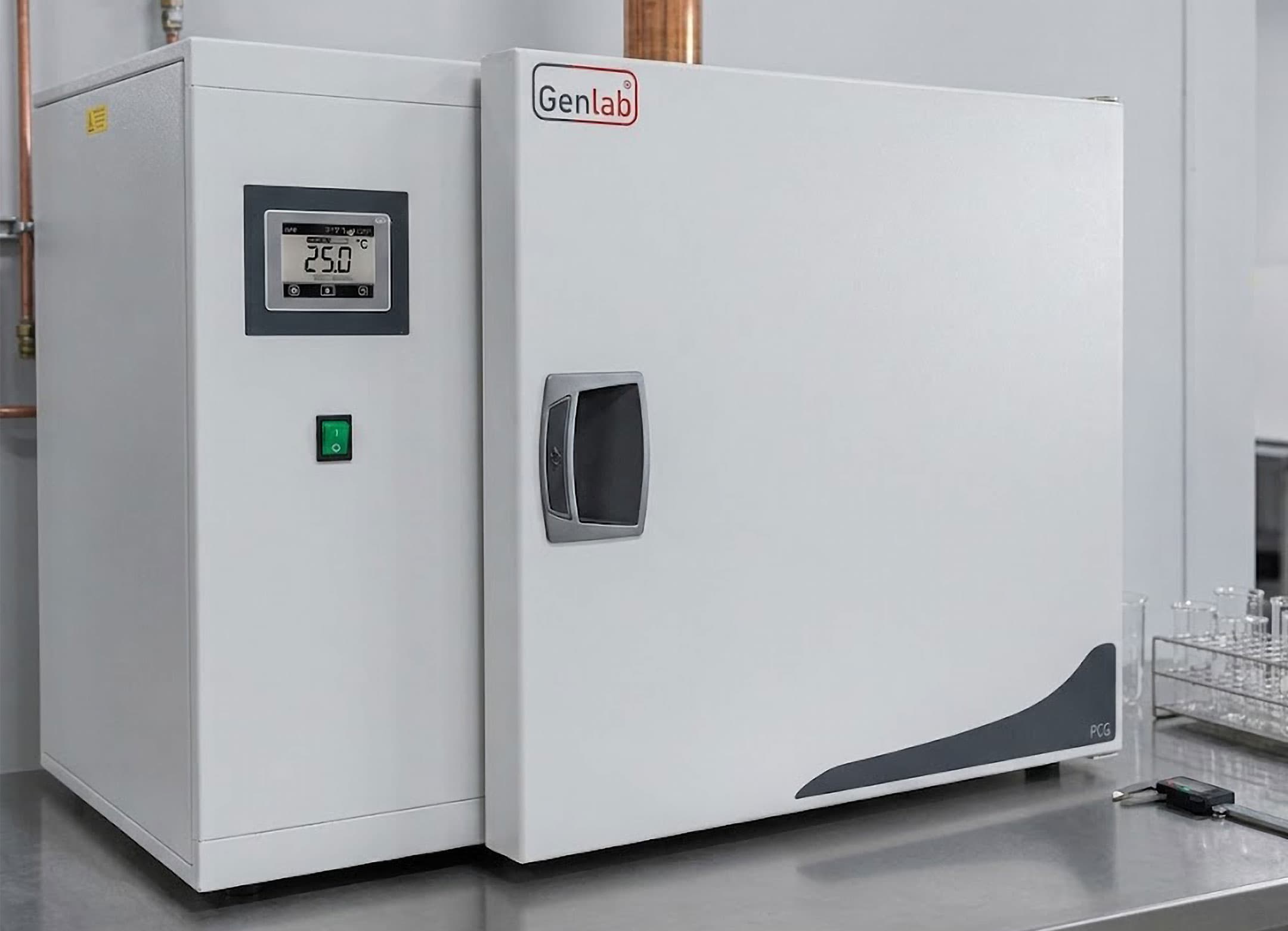
| Typical chamber setup | Two-zone thermal shock chamber | Single-workspace temperature chamber |
| How the product moves between conditions | The product is transferred between separate hot and cold zones | The chamber temperature changes around the product |
| Main purpose | Assess resistance to abrupt temperature transitions | Assess performance under repeated expansion and contraction |
| Typical test focus | Sudden thermal stress, cracking, delamination and connection failures | Fatigue, ageing, material movement and long-term reliability |
| Test profile | Short transfer times with defined dwell periods | Controlled ramp rates, dwell periods and repeated cycles |
| Best suited to | Products exposed to rapid environmental or operational changes | Products exposed to repeated temperature changes during use, storage or transport |
Neither test is automatically more demanding. Thermal shock applies a more abrupt temperature transition, but thermal cycling may involve many more cycles over a longer duration. The right choice depends on the failure mechanism you’re trying to investigate.
Thermal shock and thermal cycling in simple terms
Thermal cycling changes the temperature around a product within one chamber workspace. The chamber moves through a defined profile, such as cooling to a low setpoint, holding for a period, heating to a high setpoint and repeating the sequence.
Thermal shock takes a different approach. A thermal shock chamber usually uses separate hot and cold zones, with the product transferred rapidly between them. That transfer may be achieved by moving a basket or carrier between zones, depending on the chamber design.
The distinction matters because the product doesn’t have the same opportunity to adjust to the temperature change. A rapid transition can create high thermal stress between materials that expand and contract at different rates. Controlled cycling still creates thermal stress, but it is better suited to assessing how a product responds to repeated changes over time.
How a two-zone thermal shock chamber works
A two-zone thermal shock chamber has separate hot and cold areas. The product is placed in a carrier, basket or test fixture and transferred between the zones at the intervals set by the test profile.
This approach reduces the transition time compared with a conventional single-workspace chamber. The product moves from one established condition to another, rather than waiting for the chamber air around it to change gradually.
The dwell period in each zone still matters. It needs to be long enough to meet the test method and achieve the intended exposure. A short dwell may test surface-level response, while a longer dwell may allow more of the assembly to stabilise. ETS can help assess the chamber configuration, but the required dwell and transfer conditions need to come from the product test plan or relevant standard.
Which failures does each test reveal?
The answer depends on the product construction, materials and intended environment. Still, there are useful patterns that can guide the initial discussion.
Thermal shock is often used to investigate abrupt-transition failures
Thermal shock may be relevant where the product could be exposed to sudden environmental changes or where the test method calls for rapid hot-to-cold transfer.
It can be a practical route for:
- electronic assemblies with solder joints, connectors and encapsulated components
- automotive components exposed to rapid operating or environmental changes
- aerospace and defence equipment subject to demanding temperature transitions
- sealed components where sudden material movement could affect integrity
- products with bonded layers, coatings or dissimilar materials
The point isn’t that every electronic or automotive product needs thermal shock testing. The test needs to reflect a known use case, customer specification or reliability risk.
Thermal cycling is often used to investigate repeated-use fatigue
Temperature cycling is commonly relevant where the product will heat and cool repeatedly during normal use, storage or transport. It can help teams understand cumulative stress rather than only the effect of abrupt transfer.
It may be useful for:
- electronic products that cycle on and off
- assemblies exposed to day-night or seasonal temperature variation
- coated parts and bonded materials
- products moving through repeated storage and operating conditions
- components where long-term material movement may affect fit, function or sealing
For some applications, a controlled thermal cycling test may more closely represent the product’s expected life than a rapid shock test. For others, neither approach is valid unless the test profile is defined by the relevant customer, industry or product standard.
Which test does your product need?
Start with the real test objective. The question isn’t “Which test is tougher?” It is “Which temperature exposure is the product expected to withstand, and what failure are we trying to find?”
A thermal shock test is more likely to fit where:
- the product is exposed to abrupt hot-to-cold or cold-to-hot transitions
- the test method specifically calls for thermal shock
- rapid transfer between temperature zones is part of the required profile
- the focus is sudden stress at interfaces, joints or layered materials
- the design includes materials with significantly different thermal expansion behaviour
A thermal cycling test is more likely to fit where:
- the product experiences repeated but controlled temperature changes
- the objective is to assess fatigue across many heating and cooling cycles
- the test method defines ramp rates and dwell periods within one chamber workspace
- the product needs to remain connected, monitored or operational during the profile
- the test is closer to routine operating, storage or transport conditions
Product type can help frame the discussion, but it can’t replace a defined test plan. Electronics, bonded assemblies and larger mechanical products can all face different thermal risks depending on their materials, construction and operating environment.
Standards: use the specified method, not a generic chamber setting
Thermal shock and thermal cycling are used across a variety of sectors, so there isn’t one universal test standard for every product. Electronics, automotive components, aerospace equipment, coatings, glass, ceramics and construction products may each follow different industry methods.
For example, MIL-STD-202 Method 107 covers thermal shock for electronic and electrical component applications, while ASTM standards address thermal shock or cycling for specific material and product types, including coatings, glass containers, refractories and fenestration products.
Compliance depends on the exact test method, temperatures, transition or ramp requirements, dwell periods, cycle count, product loading, calibration and test records.
Before selecting equipment, confirm:
- the named standard, customer specification or internal test plan
- the required high and low temperatures
- whether the method calls for rapid transfer or controlled ramping
- dwell periods at each temperature
- number of cycles
- whether the product needs powering, monitoring or functional testing during exposure
- fixture, cable port and data logging needs
- pass and fail criteria
This is general guidance only. Confirm the current version of the relevant standard and the conditions that apply to your specific test setup before finalising a method.
Chamber selection: more than temperature range
Once the test method is clear, the next decision is the chamber configuration. The temperature range matters, but it doesn’t tell you whether the product can be tested effectively.
For a thermal shock chamber, ETS needs to understand:
- the hot and cold setpoints
- required transfer time
- dwell time in each zone
- product dimensions, weight and fixture arrangement
- whether the product needs electrical connections or monitoring
- the number of items tested in each batch
- whether the product has a heat load
- the relevant standard or customer test profile
The test item needs enough space for secure positioning and practical airflow. It also needs a suitable fixture that can withstand repeated movement between zones without creating its own failure risk.
For a thermal cycling test, ETS needs to understand:
- the lowest and highest temperatures
- required ramp rate
- dwell periods and number of cycles
- product dimensions, weight and heat output
- whether humidity is needed
- monitoring, controller and data logging needs
- whether the item must operate during the test
A standard temperature chamber may be the right starting point for controlled cycling without humidity. If the task is production screening or repeatable reliability testing, environmental stress screening chambers may also be relevant. ESS, thermal shock and thermal cycling are related reliability methods, but they aren’t interchangeable.
For more severe discovery testing during product development, HALT and HASS chambers may be worth discussing. Read our practical guide to HALT and HASS testing to understand how these methods differ from conventional thermal shock and thermal cycling.
Discuss your thermal shock or thermal cycling requirement with ETS
Thermal shock and thermal cycling answer different reliability questions. The right choice depends on the temperature profile, transition speed, dwell periods, product construction and the failure mode you’re trying to investigate.
Explore thermal shock chambers or contact ETS to discuss your test standard, temperature conditions, product load and monitoring needs. ETS can help you identify whether a thermal shock chamber, temperature cycling chamber, ESS system or another reliability testing route best fits your application.
Frequently Asked Questions
- What is the difference between thermal shock and thermal cycling?
Thermal shock exposes a product to rapid transitions between hot and cold environments, usually in a two-zone chamber. Thermal cycling changes temperature gradually through a programmed profile in a single chamber workspace.
- Is thermal shock more severe than thermal cycling?
Thermal shock is generally more abrupt because the product moves quickly between temperature extremes. However, thermal cycling can be highly demanding where it uses a wide temperature range, many cycles or a profile that reflects a difficult operating environment. The required test method should determine which approach is used.
- What ramp rates are used for thermal cycling?
Thermal cycling often uses controlled ramp rates in the region of 5°C to 15°C per minute. The right rate depends on the product, chamber capability, load and test method. ETS can help identify equipment options once the required profile is known.
- Does thermal shock always use a two-zone chamber?
Thermal shock commonly uses a two-zone chamber with separate hot and cold areas, allowing rapid transfer between conditions. The exact chamber design and transfer method should be matched to the applicable test profile.
- Can the same product need both thermal shock and thermal cycling tests?
Yes. A product may need thermal cycling to assess repeated-use fatigue and thermal shock to investigate resistance to abrupt temperature transitions. Whether both are justified depends on the product’s intended environment and the relevant test requirement.