Manufacturers need to find weaknesses before products reach the field, particularly where failure could lead to warranty costs, production disruption, costly rework or reputational damage. Environmental and mechanical stresses can expose problems that routine functional checks may not reveal, including weak solder joints, loose connections, marginal components, poor assembly practices and design limitations.
HALT and HASS are accelerated approaches used for different stages of this work. HALT, or highly accelerated life test, is used during product development to identify design limits and potential failure mechanisms. HASS, or highly accelerated stress screening, is used later in production to screen units for defects that could affect reliability.
Both methods use severe, controlled stress to reveal issues quickly. They are not interchangeable, however, and neither is a substitute for defining the product’s intended operating environment, validation plan or acceptance criteria. The value comes from using the right test at the right stage, then acting on what the results show.
HALT and HASS in brief
HALT is a development tool. Engineers expose prototype or pre-production products to progressively more demanding thermal and vibration stresses to discover where weaknesses appear. The aim is not to prove that a product will survive for a calculated number of years. Instead, it is to understand its practical operating limits, identify failure modes and improve the design before production is established.
HASS is a production screening process. It uses a defined stress profile, normally developed from HALT findings and product knowledge, to identify latent defects in manufactured units. Those defects may result from changes in components, materials, assembly processes or workmanship.
The Institute of Environmental Sciences and Technology describes HALT and HASS as qualitative methods that help assess design and workmanship, rather than methods for calculating service life. Its recommended practice also identifies HASS as a follow-up to HALT, used at the end of fabrication to help detect process or component changes that could adversely affect reliability.
In simple terms, HALT asks “Where does this design begin to fail?” HASS asks, “Has this production unit been built consistently enough to avoid known weaknesses?”
What is HALT testing?
HALT testing applies increasingly severe combinations of temperature change, thermal extremes, vibration and, where relevant, shock to a product during development. The process is often used with electronics, assemblies, electromechanical products and other items where design margins can be affected by repeated environmental or mechanical stress.
Rather than beginning with a fixed pass or fail limit, the test team usually increases the severity in stages while monitoring product performance. A product may be powered, operating and instrumented throughout the test, allowing engineers to see not only whether it fails but how it fails.
This distinction matters. A unit that stops operating at an extreme condition may still be suitable for its intended environment. The useful outcome is the gap between the expected operating conditions and the point at which functional or destructive limits are found. That information helps the manufacturer decide whether the design has enough margin or needs further work.
Typical findings can include:
- intermittent electrical connections that appear during vibration or rapid temperature change
- components that drift outside functional limits at thermal extremes
- fastener, connector or cable weaknesses
- inadequate support for heavier parts or assemblies
- assembly defects that only become apparent under combined stress
- interactions between materials with different rates of expansion and contraction
A productive HALT programme does more than record failures. Engineers need to investigate the root cause, make a change to the process or design and repeat relevant test stages to establish whether the modification has made improvements. Without this feedback loop, accelerated testing becomes a fault-finding exercise rather than a route to a more robust design.
Why development testing needs progressive stress
Conventional environmental tests often use conditions set by a customer specification, industry standard or known use case. That remains necessary where a product must meet a defined requirement. HALT serves a different purpose. It deliberately explores beyond the normal operating envelope to reveal weaknesses earlier in the design cycle.
For example, a product can function correctly during a steady temperature exposure but fail when temperature changes rapidly. The problem may be caused by thermal expansion across soldered joints, connectors, housings or assemblies. Likewise, a product might survive vibration in one direction but show an intermittent fault once vibration is combined with thermal stress.
Applying stresses progressively gives the test team a clearer view of the relationship between severity and response. It also reduces the risk of jumping straight to a destructive condition without learning where the product first becomes marginal.
The test profile still needs structure. Engineers must decide:
- what functions will be monitored
- what represents a functional failure
- how the item will be fixtured
- when to pause for inspection
Test items that are poorly mounted, inadequately powered or not monitored in operation can produce misleading results.
What is HASS testing?
HASS testing takes place after development, during production or after a significant manufacturing change. Its purpose is to screen for defects without unnecessarily damaging sound units.
A highly accelerated stress screen is therefore not a repeat of HALT at maximum severity. It is a controlled production process based on knowledge gained during development. The selected profile needs to be severe enough to reveal process-related defects, but below levels that would consume an unacceptable proportion of the product’s life or create failures in otherwise good units.
This is where the development versus production distinction becomes clear:
| HALT | HASS |
|---|---|
| Used during product development | Used during production |
| Explores design and operating limits | Screens manufactured units for latent defects |
| Stress is progressively increased to reveal weaknesses | Stress profile is defined and repeatable |
| Supports design improvement and margin assessment | Supports process control and consistency |
| May involve prototypes or development builds | Usually involves production units or production-representative builds |
HASS testing can be particularly useful after a process change, supplier change, component substitution or assembly line issue. It can also support products where early-life failures would be costly to investigate after delivery.
However, HASS only works when the screen is linked to real product knowledge. Applying a generic temperature and vibration cycle simply because it appears severe can create two problems. It may fail to reveal the defects that matter or it may impose unnecessary stress on good products.
How HALT and HASS differ from environmental stress screening
Environmental stress screening is a broader term for applying controlled environmental stresses to identify potential weaknesses. It often involves temperature cycling or rapid temperature change, and may include vibration depending on the equipment and product risk.
Environmental stress screening chambers are commonly used where a manufacturer needs a repeatable screening process for products, components or assemblies. An ESS test may be driven by a customer requirement, internal quality plan or established manufacturing process.
HALT and HASS are more specific methods within the wider reliability testing landscape. HALT focuses on discovering weaknesses and establishing design margins. HASS applies the resulting knowledge to screen production output. ESS may form part of a production screening approach, but it does not automatically provide the same level of design-limit exploration as HALT.
The equipment, test profile and monitoring approach therefore need to match the decision being made. A manufacturer seeking to improve a prototype design has different needs from a production team looking to screen hundreds of completed assemblies consistently.
What equipment is used for HALT and HASS?
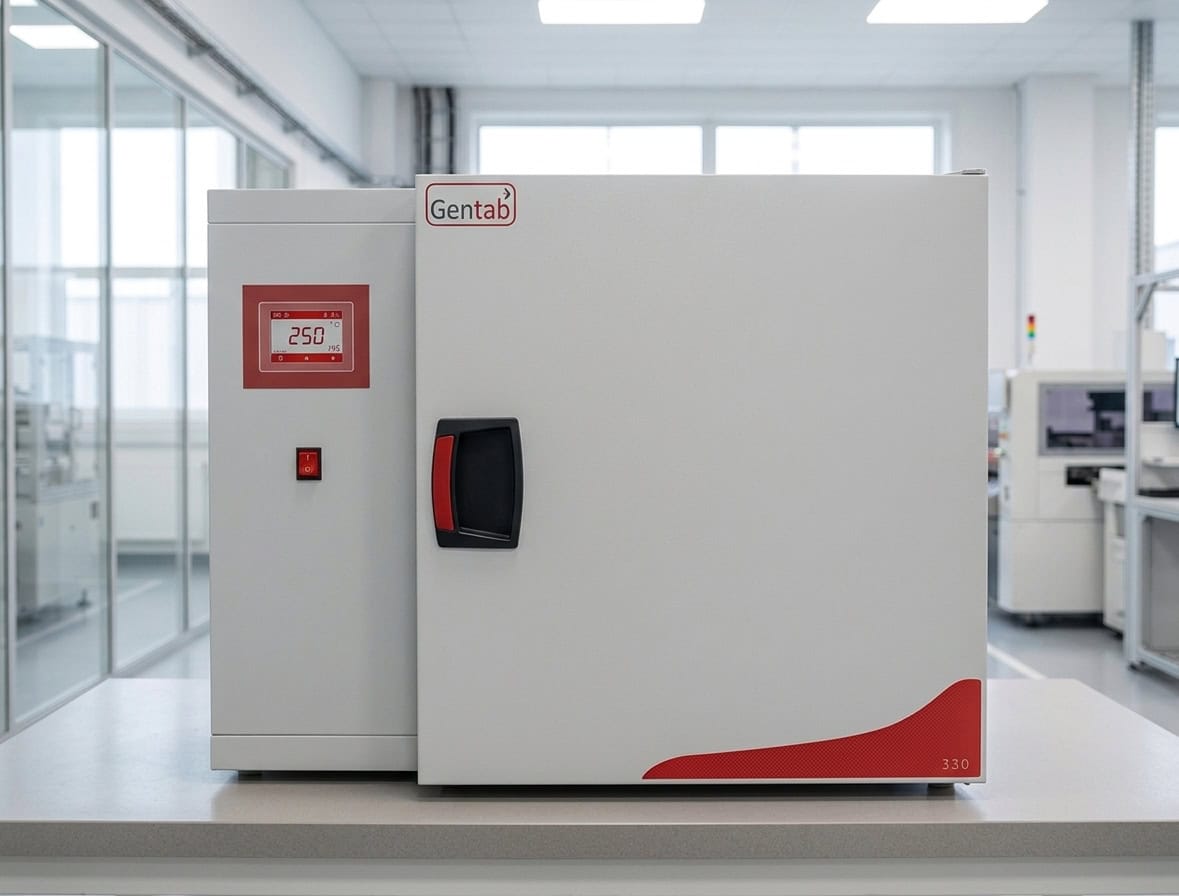
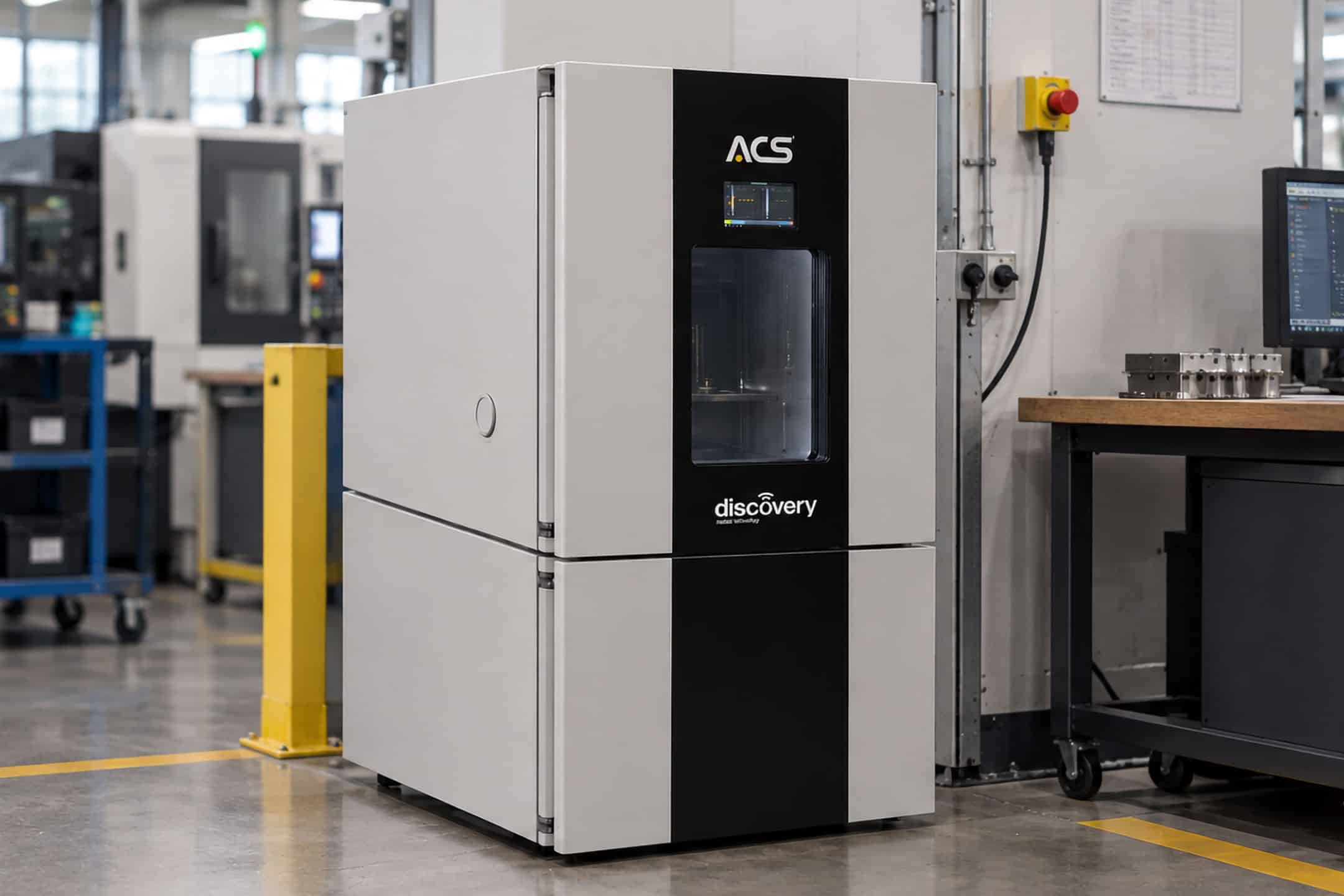
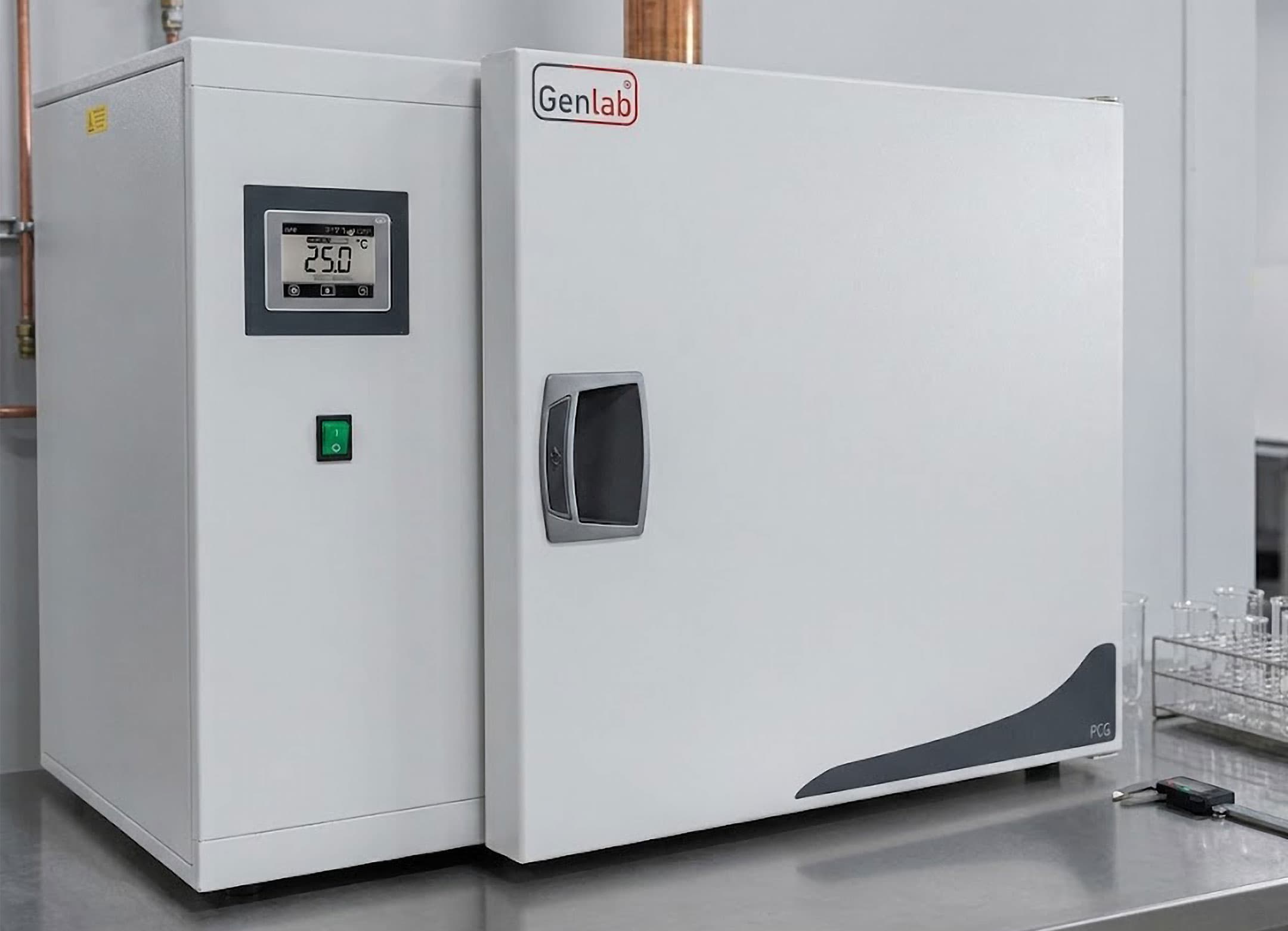
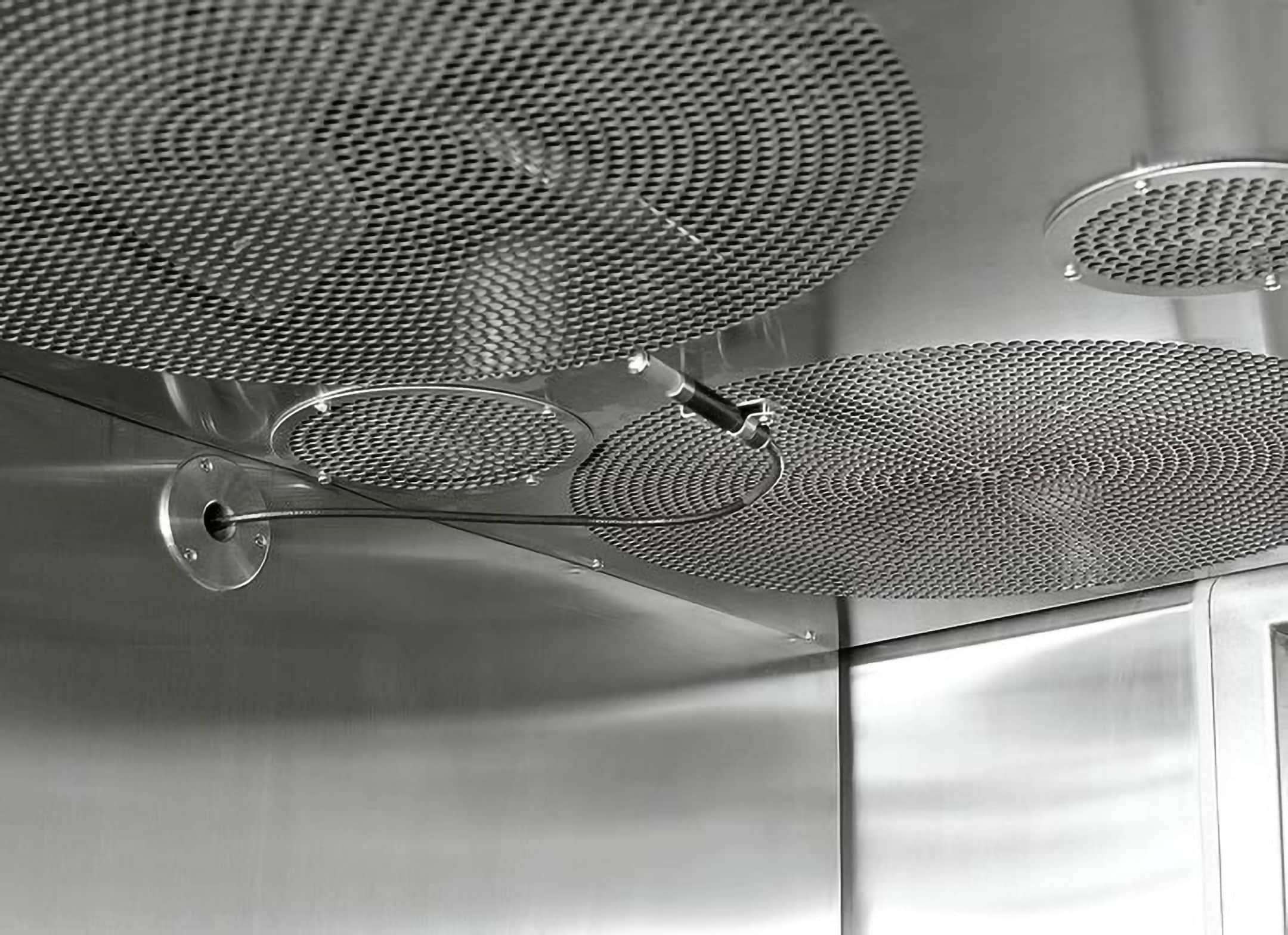
HALT & HASS Chambers combine thermal, vibration and shock with ramp rates of up to 60°C per minute. This allows the test team to apply rapid, combined stresses that can reveal weaknesses faster than steady-state testing alone.
Fast temperature change is only one part of the requirement. A suitable setup also needs to accommodate the product safely, allow practical fixturing and maintain access for power, functional monitoring and instrumentation. For an electronic assembly, that may mean monitoring communications, outputs, current draw and internal temperatures while the chamber is operating. A test that only checks the product before and after exposure can miss intermittent faults.
Combined vibration test chambers can be relevant where mechanical stress needs to be applied alongside thermal conditions. The product’s mass, centre of gravity, mounting points and cable routing all affect the fixture design. A poor fixture can introduce unrealistic resonances or allow movement that does not represent the intended test condition.
Chamber size also needs careful assessment. The item must fit with enough clearance for airflow and, where applicable, mounting hardware and monitoring connections. A chamber that is physically large enough may still be unsuitable if the load restricts circulation, prevents secure fixturing or makes safe access difficult.
Choosing between HALT, HASS and ESS
The right testing depends on where the product is in its lifecycle and what the manufacturer needs to learn.
Use HALT where the design is still being developed and the team needs to identify weaknesses before committing to volume production. This is especially relevant after a new design, material change, major redesign or change in expected operating conditions.
Use HASS where the product design is established and the aim is to detect latent manufacturing defects in production units. The screen needs to be based on development evidence and reviewed if the product or manufacturing process changes.
Use ESS where the need is for repeatable stress screening rather than design-limit discovery. A temperature cycling or combined stress profile may be the more direct route where it reflects a defined internal process or customer test requirement.
Before selecting equipment or a test route, establish:
- the product’s intended use and likely failure consequences
- required temperature range, change rate and dwell periods
- whether vibration, shock or combined stress is needed
- product dimensions, mass and secure fixture arrangements
- functional monitoring and data capture needs during exposure
- production volume and expected test duration
- relevant customer, industry or internal test specifications
- whether the objective is design learning, production screening or qualification
These details interact. Faster temperature change may reveal issues sooner, but the product and fixture must tolerate the test safely. Higher throughput may support production screening, but only if the profile remains representative and monitoring does not become impractical.
Common mistakes when planning accelerated testing
One common mistake is treating a severe test as automatically better. Excessive stress can damage good products, obscure the original failure mechanism or produce results that are difficult to translate into a useful action.
Another is using HASS without a clear basis from development work. A production screen needs limits that balance defect detection with avoiding unnecessary life consumption. Those limits cannot be selected confidently from chamber capability alone.
Manufacturers can also overlook operational details such as fixture design, product power state, cable management, data logging and inspection between test stages. These details affect whether the results are repeatable and whether the team can identify the cause of a failure.
Finally, avoid assuming that a chamber alone proves product quality or compliance. The outcome depends on the test objective, profile, loading, instrumentation, acceptance criteria and the way findings are acted upon.
Ask ETS about chamber options for HALT and HASS testing
HALT and HASS testing can provide a practical route to stronger designs and more consistent production, but they need different equipment capabilities and test strategies. The right approach depends on the product, the stresses it may encounter, the failure mechanisms being investigated and whether the aim is development learning or production screening.
Speak to ETS about HALT testing requirements, including product size, thermal profile, vibration needs, monitoring arrangements and the most relevant chamber route for your application.
Frequently Asked Questions
- Does HALT testing replace formal product qualification testing?
No. HALT can help identify weaknesses and improve design margins, but formal qualification testing still needs to follow the relevant customer, industry or internal specification.
- How many units are needed for a HALT programme?
The number depends on the product, development stage and test objective. A small number of representative development builds may provide useful learning, provided the team can investigate failures and validate any design changes.
- Can software faults be identified during HALT or HASS?
Yes, provided the product is powered and its functions are monitored throughout the test. Combined stress can expose software, communication or control issues that may not appear during routine bench testing.
- How often should a HASS profile be reviewed?
Review the screen after significant changes to the product, components, suppliers, assembly process or production method. A profile that was effective for an earlier build may no longer reflect the current product risk.
- Can HALT and HASS be carried out by an external test laboratory?
Yes. This can be a practical route where a business needs occasional access to specialist equipment or support before deciding whether to bring the testing process in-house.