Humidity testing helps manufacturers understand how moisture may affect a product before it reaches service. It can reveal corrosion, material changes, loss of insulation, coating damage and electrical faults that may not appear during temperature-only testing.
The right test isn’t always a simple high-humidity exposure. Some products need steady damp heat conditions, while others face changing temperature and humidity that can create surface condensation. The difference matters because each profile places moisture stress on the product in a different way.
What is humidity testing?
Humidity testing exposes a product, component or material to controlled relative humidity and temperature conditions. It is used to assess how moisture, damp heat and condensation may affect performance, reliability and physical condition.
Relative humidity, usually written as RH, describes the amount of water vapour in the air compared with the maximum amount the air can hold at that temperature. Temperature and humidity are closely linked. As the air temperature changes, the amount of moisture it can hold changes too.
That is why humidity testing needs control of both conditions. A product may perform as expected at one temperature and RH level, but behave differently when the temperature changes, condensation forms or exposure continues for a longer period.
Humidity tests are used for a large number of uses but the most common are electronics, automotive components, aerospace equipment, coated materials, packaging and other products that may encounter damp storage, outdoor conditions or changing operating environments.
Damp heat, condensation and cyclic tests explained
Damp heat, condensation and cyclic humidity tests all expose products to moisture, but they answer different questions. The right approach depends on the intended environment, the likely failure mechanism, and any applicable test method set out by customer specifications or standards bodies such as the International Electrotechnical Commission (IEC).
Steady-state damp heat testing
A damp heat test holds the chamber at a defined temperature and elevated relative humidity for a specified time. The aim is usually to assess the effects of sustained humidity exposure without deliberately creating condensation on the product.
This can be relevant where a product may be stored, transported or used in consistently warm and humid conditions. It helps identify changes such as corrosion, reduced insulation resistance, swelling, degradation of coatings or loss of material stability.
IEC 60068-2-78 covers steady-state damp heat testing, providing a recognised framework for evaluating how components and equipment withstand high humidity at a constant temperature without condensation. The test profile must come from the relevant standard, customer specification or internal plan. Running a chamber at a high RH setting for an arbitrary period will not necessarily provide a useful or representative result.
Condensation testing
Condensation occurs when a surface falls below the dew point and water vapour changes into liquid water. In product testing, this can happen as temperature and humidity conditions change around the load.
Condensation can be more damaging than humid air alone because liquid water can collect on surfaces, enter gaps, affect electrical insulation and accelerate corrosion. It may also expose weaknesses in seals, coatings and bonded assemblies.
A condensation-focused test is often relevant where products move between different environments or where warm humid air meets a cooler surface. The test setup needs to reflect the real risk. Simply increasing relative humidity doesn’t guarantee that condensation will form in the intended way.
Cyclic humidity testing
A cyclic humidity test changes temperature, humidity or both over time. Rather than holding one fixed condition, the chamber follows a programmed sequence that can better represent changing environmental exposure.
The change between stages can create more demanding moisture conditions, particularly where it produces condensation on the product. This makes cyclic testing useful for investigating products exposed to day-night variation, changing storage conditions or repeated movement between operating environments.
IEC 60068-2-30:2025 specifies a cyclic damp heat procedure using 12-hour temperature cycles. The IEC describes the method as assessing suitability under high humidity combined with cyclic temperature changes that generally produce condensation on the product surface. Some applications use more complex combined temperature and humidity cycles.
Why humidity testing matters
Moisture can affect products gradually or cause failures that only become visible after changing conditions. A component may look acceptable after a short damp heat exposure, but develop further issues after repeated humid cycles and condensation.
Humidity testing can help investigate:
- corrosion on metal parts, terminals and connections
- changes in insulation resistance or electrical performance
- coating blistering, cracking or loss of adhesion
- swelling, distortion or loss of strength in moisture-sensitive materials
- degradation of adhesives, seals and gaskets
- leakage or contamination in packaging and enclosed assemblies
The result is only as meaningful as the test profile in place so a test needs to reflect the expected environment or follow the required method. This includes the temperature, humidity, duration, number of cycles, product loading and any functional checks carried out during or after exposure.
Why temperature stability and RH control affect results
A humidity test chamber doesn’t only need to reach a temperature and RH setpoint. It needs to control those conditions consistently enough for the test to be repeatable.
Humidity capability also varies with temperature. A chamber might offer a broad temperature and humidity range, but it won’t necessarily achieve every RH value across its full temperature operating range. The humidity requirement therefore needs to be checked against the chamber’s working range at the actual test temperature.
Product loading can also affect the conditions inside the workspace. A large, dense or moisture-absorbing item can influence stabilisation time and airflow. Samples need sufficient clearance for conditioned air to circulate around them, particularly where several samples, shelves, fixtures or cable connections are involved.
Our climatic chambers typically provide a temperature range of 10°C to 95°C and an RH range of 10% to 98%, covering a wide range of potential test profiles. However, the achievable combination of temperature and RH depends on the specific chamber and test conditions. If you’re unsure what capability your application requires, contact us to discuss your test profile.
Choosing a temperature and humidity chamber
Testing under controlled temperature and relative humidity requires a dedicated climatic chamber. Standard temperature-only chambers simply cannot deliver the moisture control required for steady-state damp heat, condensation, or cyclic humidity testing.
To ensure you choose the correct chamber, you should evaluate your specific test parameters alongside your physical load and review:
- the required temperature range and relative humidity conditions
- whether the profile is steady-state or cyclic
- whether condensation needs to occur, be avoided or be monitored
- exposure time, dwell periods and number of cycles
- product dimensions, weight and heat output
- airflow clearance, fixtures and shelving needs
- cable ports, functional monitoring and data logging needs
- the relevant standard, customer specification or test plan
- water supply, site conditions and maintenance considerations
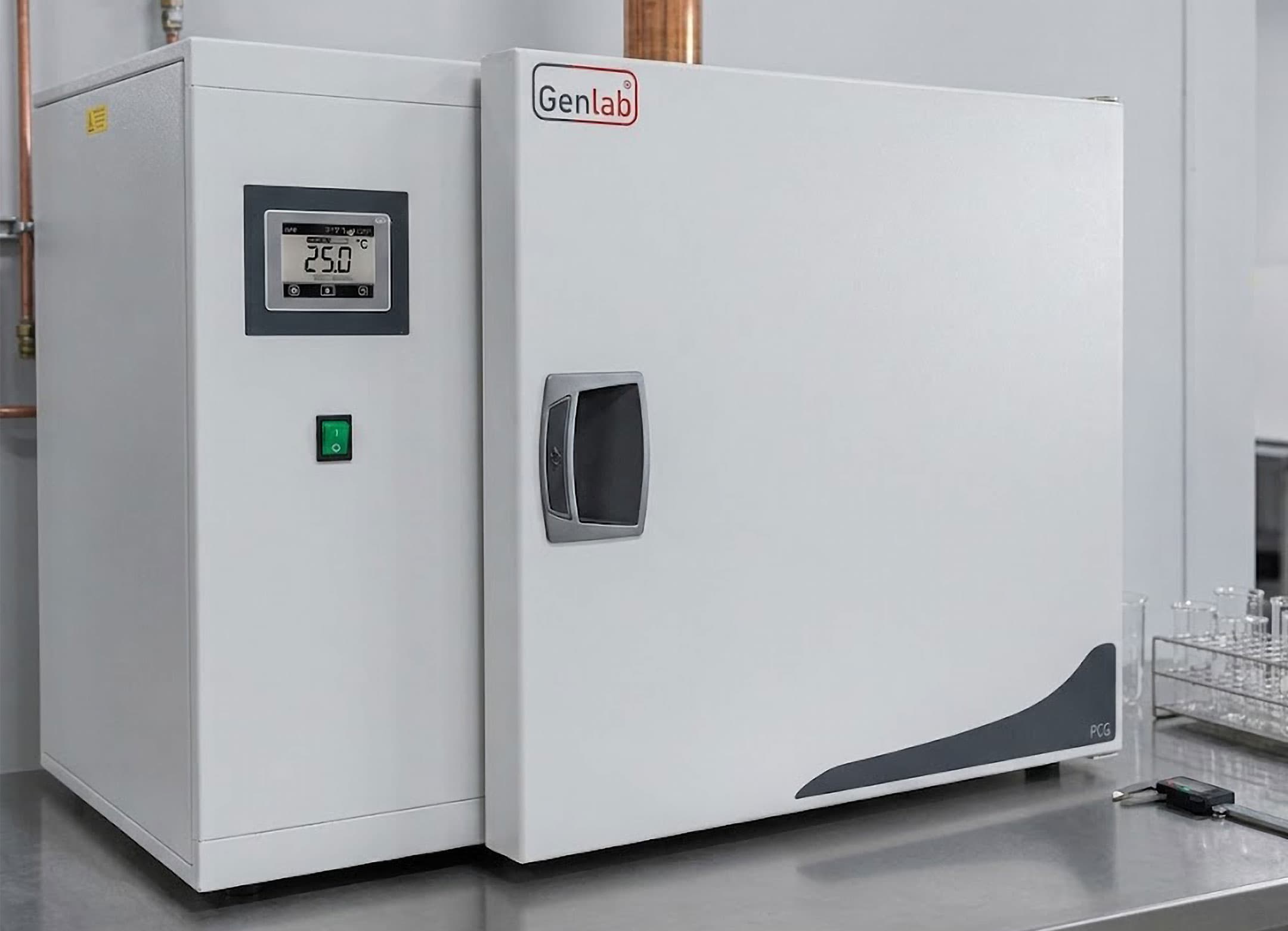
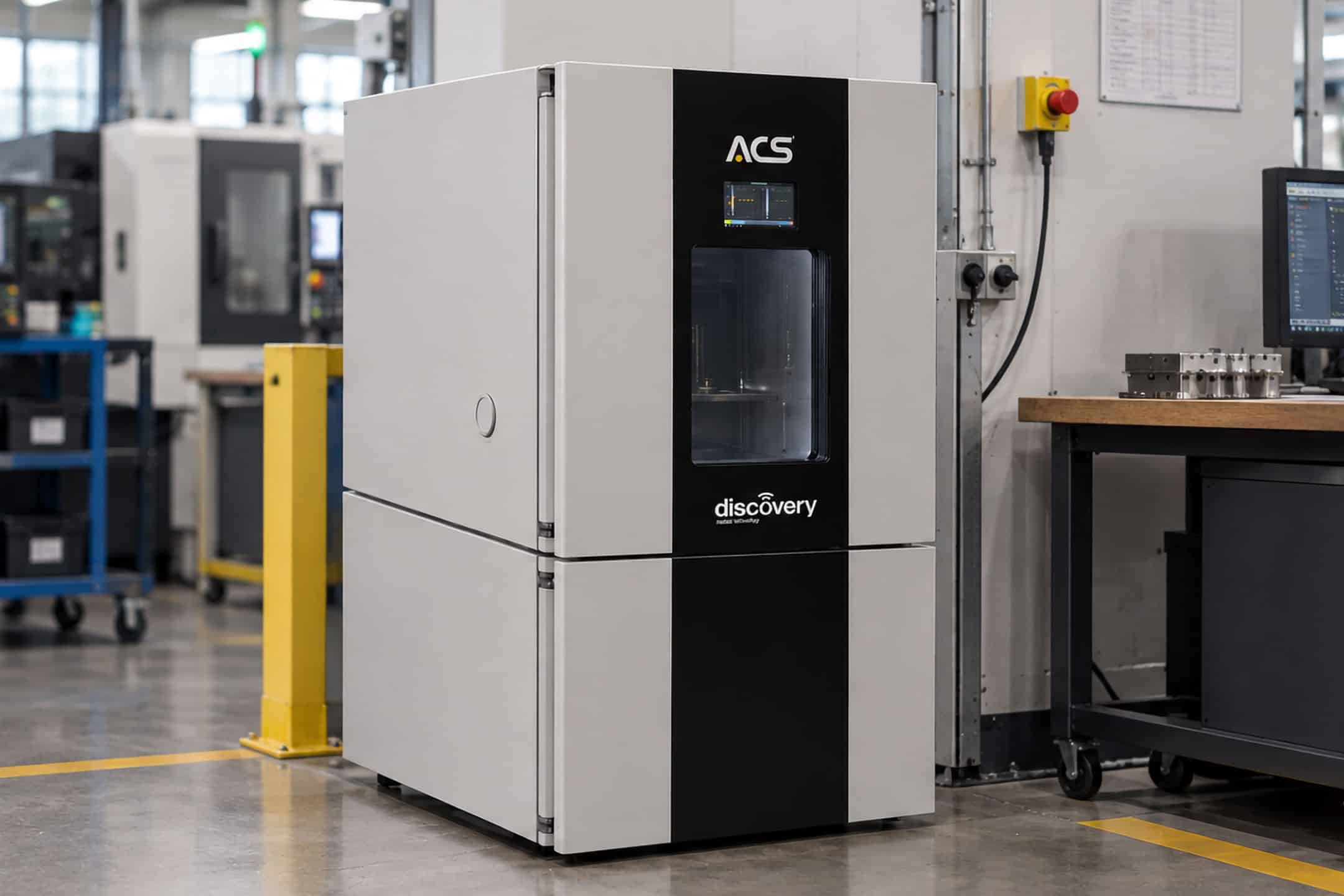
For smaller products and laboratory-based work, compact climatic and thermostatic test chambers may provide a practical route. Larger loads, more demanding programmes or greater working volume may call for DiscoveryMy climatic and thermostatic test chambers.
Common mistakes when planning humidity tests
Treating high RH as the whole test
High humidity alone doesn’t define the test. Temperature, duration, cycling, stabilisation and the chance of condensation all affect how the product is exposed.
Assuming condensation will happen automatically
Condensation depends on the relationship between air temperature, RH and product surface temperature. A test needs a defined profile if the aim is to create or assess condensation.
Selecting a chamber from the headline range
The required humidity level must be available at the test temperature. Confirm the working range, not just the maximum temperature and maximum RH figures shown separately.
Overloading the workspace
A chamber may physically fit the product but still have too little space for airflow, cabling or representative monitoring. This can affect how evenly the load experiences the programmed conditions.
Using an unspecified test profile
The test method or product requirement needs to define what the result means. Without suitable temperature, humidity, duration and acceptance criteria, it can be difficult to decide whether the test has answered the intended question.
Calibration and control considerations
Humidity testing relies on reliable measurement and control of both temperature and RH. Where repeatability, traceability or audit evidence matters, calibration can provide evidence of chamber performance at the points relevant to the test.
The calibration scope needs to match the application. A humidity test performed at a particular temperature and RH condition may need a different approach from a general check across a broader chamber range.
Calibration doesn’t, by itself, confirm that the full test method has been followed correctly. The result also depends on the test profile, product loading, sensor positions, dwell periods and records. However, it is a valuable part of maintaining confidence in the equipment used.
ETS can discuss calibration services alongside chamber selection, routine maintenance and recording needs. Where programmed profiles and recorded data are required, suitable control and data logging arrangements also need to be agreed before testing begins.
Speak to ETS about humidity test chambers
Humidity testing can range from steady damp heat exposure to temperature and humidity cycles designed to create condensation. The right chamber and test setup depend on the environment being represented and the failure risk being investigated.
Explore our range of DiscoveryMy climatic and thermostatic test chambers or compact climatic and thermostatic test chambers for smaller loads types. You can also contact ETS to discuss your temperature range, RH conditions, product load, test duration and calibration needs.
Frequently Asked Questions
- What is humidity testing used for?
Humidity testing assesses how moisture, damp heat and condensation affect a product or material. It can help identify corrosion, electrical faults, coating damage, seal failure and moisture-related material changes.
- What is a damp heat test?
A damp heat test exposes a product to elevated temperature and humidity conditions for a defined period. It is often used to assess resistance to sustained moisture exposure without deliberately creating condensation.
- What is cyclic humidity testing?
Cyclic humidity testing changes temperature, humidity or both during a programmed test. This can create more realistic changing conditions and may produce condensation on the product surface, depending on the profile.
- What humidity range is typical for a humidity chamber?
ETS climatic chambers typically offer 20% to 98% RH. The achievable humidity range depends on the temperature and chamber configuration, so ETS should confirm suitability against the actual test profile.
- What chamber do I need for humidity testing?
A temperature and humidity chamber, often called a climatic chamber, is usually required. The chamber needs to match the required temperature range, humidity range, load size, cycle profile, monitoring needs and applicable test method.