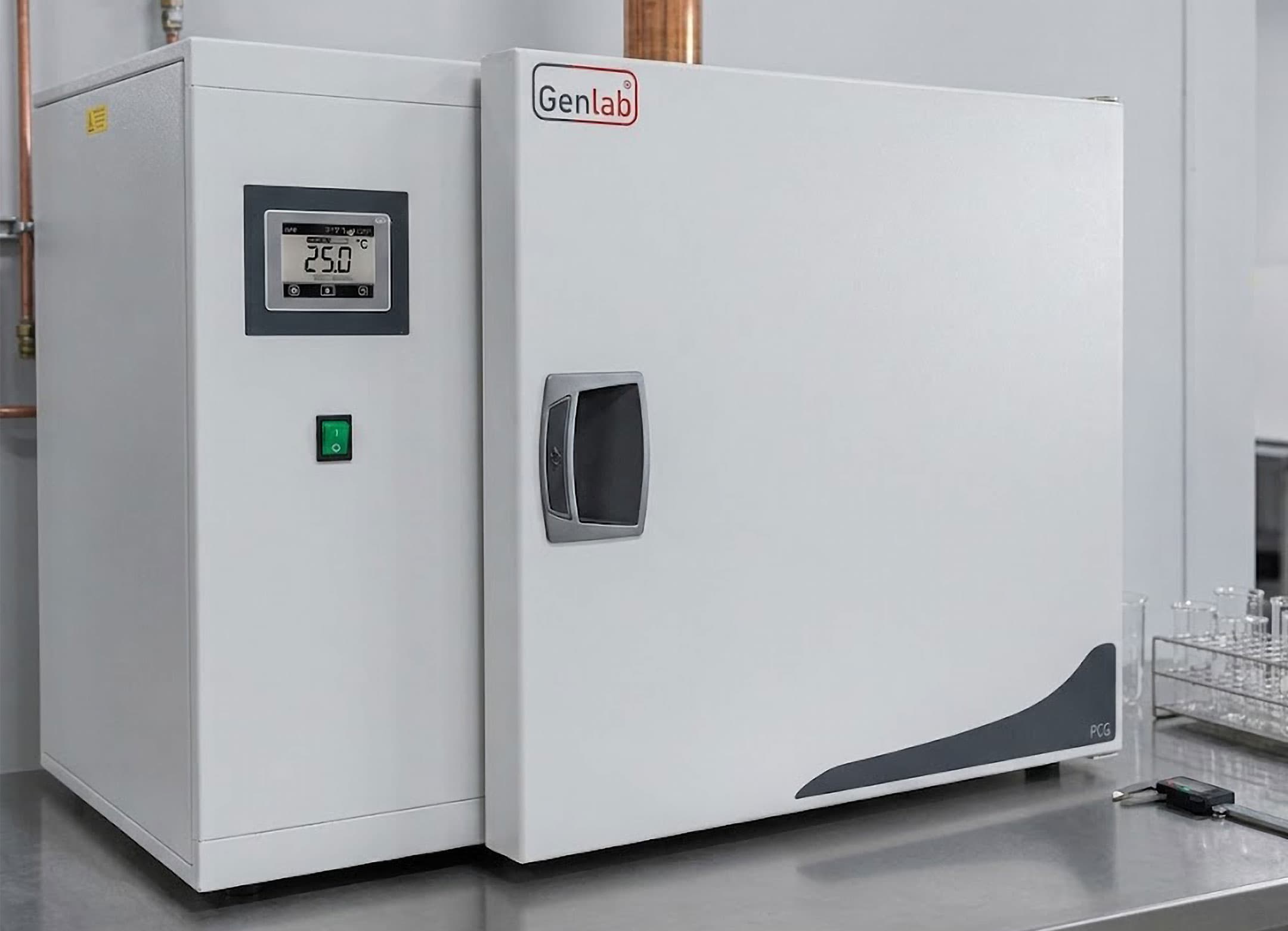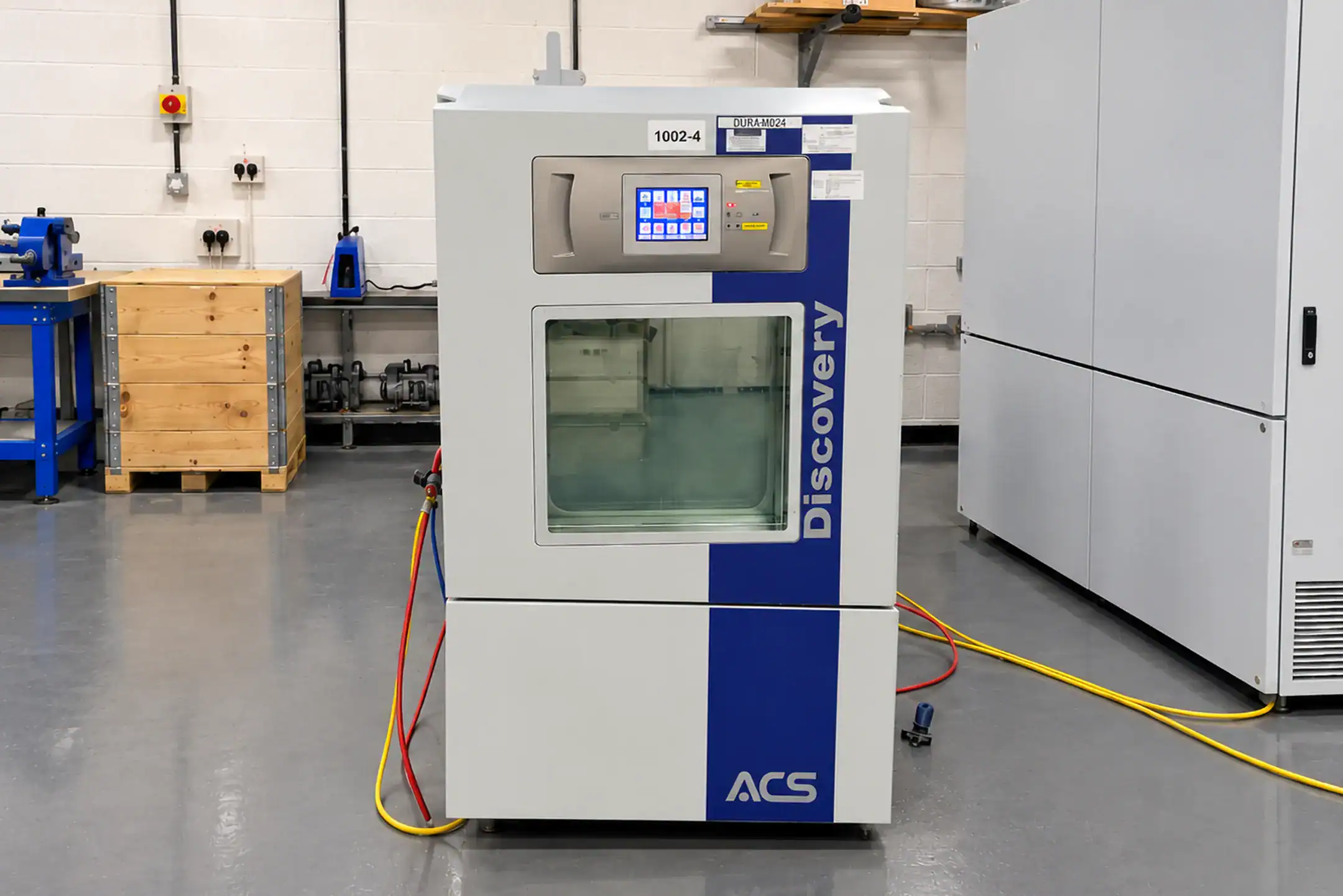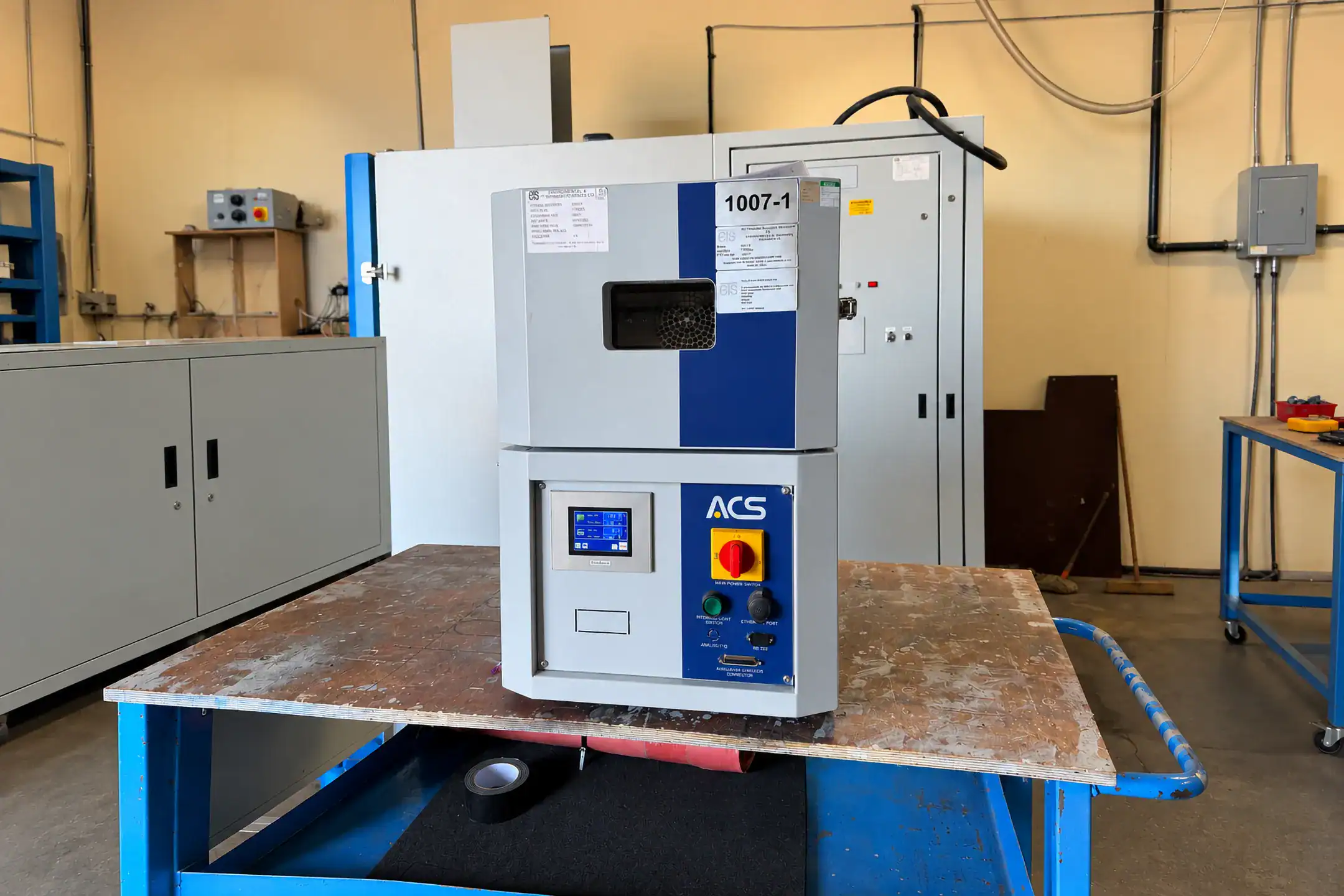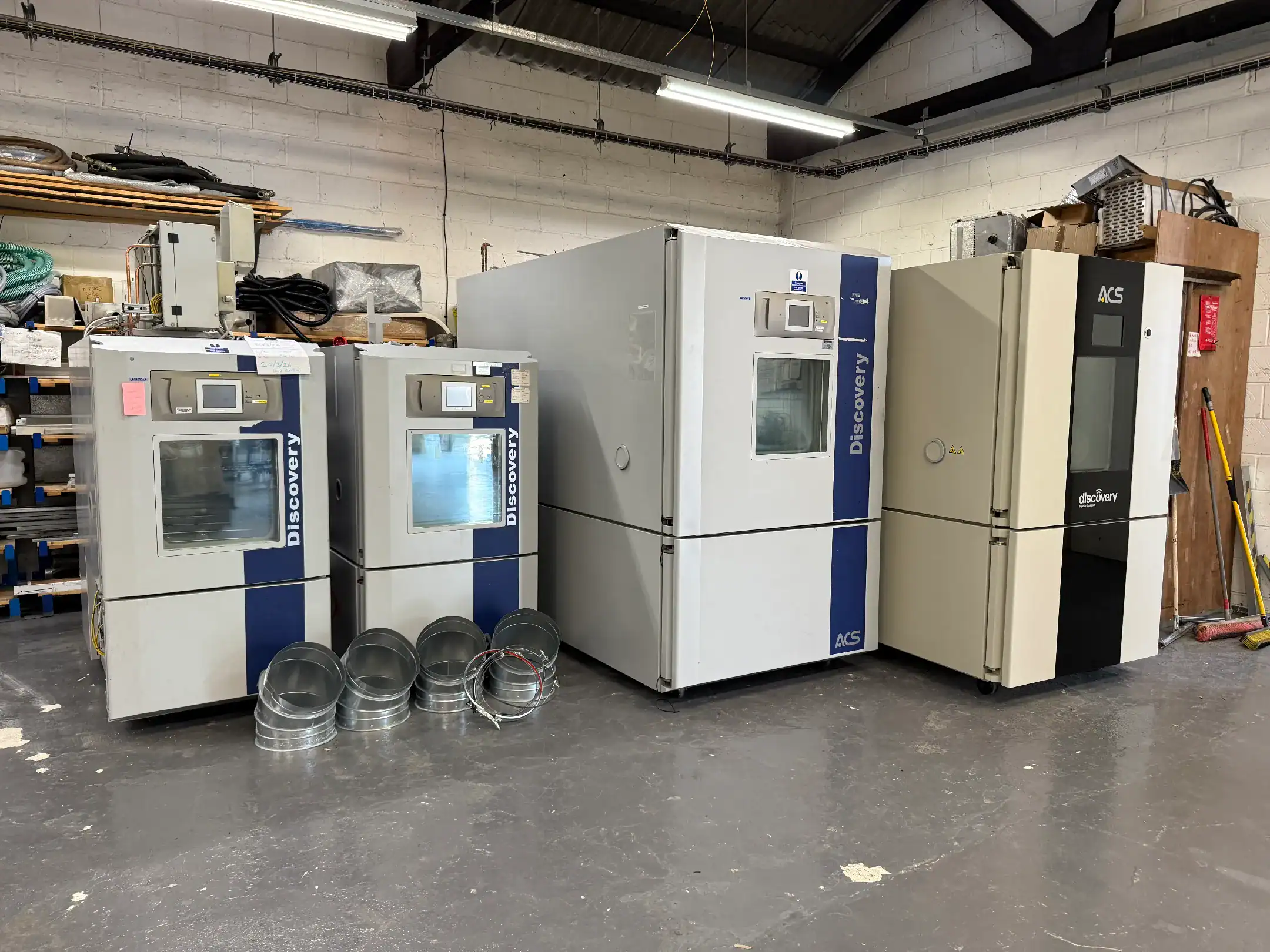
Environmental chamber hire gives test teams access to controlled test capacity without an immediate purchase. It can support temporary projects, additional workload, development work or periods when an existing chamber is unavailable.
The process starts with the test profile, rather than chamber size alone. ETS will establish the required conditions, the product being tested, project timescale and installation site. This helps identify a chamber that can accommodate the load while maintaining suitable airflow and access.
Chamber hire is available across a range of chamber types and capacities. Availability can change, so ETS will confirm suitable current options once the project details are known.
An overview of the hire journey
The hire process has six stages:
- Review the hire list and identify possible chamber types
- Confirm the specification and required hire period with ETS
- Plan delivery, siting and commissioning
- Arrange technical support and maintenance during hire
- Discuss calibration where test records require it
- Agree whether the chamber will be collected, retained for longer or converted to a purchase
Addressing each stage early helps avoid a chamber arriving before the site or test programme is ready.
Step one: browse available stock and check availability
The ETS hire list provides a starting point for selecting equipment. Each listed unit includes a reference, capacity, temperature range, classification and on-hire-until date.
This information helps narrow the options, but it does not replace a conversation about the application. A chamber may have the required temperature range but lack the internal space, humidity control or access arrangement needed for the test load.
Start by identifying the required classification:
- Temperature-only chambers for heating, cooling or temperature cycling
- Temperature and humidity chambers for controlled climatic conditions
- Thermal shock chambers for movement between hot and cold zones
The on-hire-until date indicates when a unit may become available. It does not guarantee availability, as projects can be extended and equipment may be allocated or scheduled for maintenance. ETS will confirm whether a suitable chamber can be reserved for your required dates.
Step two: confirm the specification and hire term with ETS
A suitable chamber needs to accommodate the product, fixtures, cables and sensors without unduly restricting airflow. This affects the conditions around the test item and the capacity required.
Share the following information with ETS:
- Product, component or material being tested
- Required temperature range and humidity conditions
- Test duration and cycle profile
- Product dimensions, weight and heat load
- Shelving, cable ports, monitoring or data logging needs
- Calibration or documentation requirements
- Required hire period and preferred delivery date
- Delivery postcode, site access and available utilities
ETS can then align the hire term with the project plan and confirm a suitable chamber. Delivery lead times depend on chamber availability, haulage availability and whether the selected chamber requires calibration before dispatch. This is also the point to discuss any likely changes to the testing programme or hire duration.
Step three: delivery, siting and commissioning
Delivery planning starts before the chamber leaves ETS. Most hire chambers are delivered by an ETS haulage partner, although ETS can deliver some smaller chambers directly.
The operating location needs a clear route from the vehicle, sufficient floor space and room for loading, door operation and routine access. Door widths, corridors, loading areas, lifts, stairs and floor loading should be shared with ETS in advance.
The chamber also needs a suitable power supply, ventilation and clearance around the unit. Providing these details early allows ETS to plan delivery and confirm that the chamber can be positioned and operated as intended. Hire chambers do not require installation or commissioning.
Step four: technical support and maintenance during the hire
ETS includes technical support, servicing and maintenance as part of chamber hire. This allows project teams to contact ETS if they have operating questions or need assistance during the agreed hire period.
Environmental chambers combine refrigeration, electrical, control and mechanical systems. Continued support helps keep the hire arrangement aligned with the test programme, particularly where the chamber is supporting a development, validation or production schedule.
The exact support scope should be stated in the hire quotation. This is particularly useful to establish before work begins where the project is time-sensitive or uses additional monitoring equipment. ETS can also support customers with test chamber maintenance for owned equipment.
Step five: calibration options
Calibration may be relevant where the test programme needs documented evidence of chamber performance at defined conditions. The required approach depends on the test method, internal quality procedures and customer documentation needs.
Raise calibration requirements before delivery. ETS can then discuss the relevant setpoints, certificate requirements and whether the project needs temperature, humidity or other measurement points to be addressed.
Calibration and maintenance have different roles. Calibration provides evidence of measured performance at agreed points. Maintenance supports the systems that affect performance, including controls, refrigeration and electrical components. Discussing both early gives the project a clearer support plan.
Speak to ETS about test chamber calibration if traceability or formal test records form part of the programme.
Step six: end of hire, extension or purchase
At the end of the agreed hire period, the next step depends on the status of the project. A completed programme can move to collection. If testing needs more time, contact ETS early to discuss an extension and maintain continuity.
ETS also offers a rent-to-buy option. This can suit projects that begin as a temporary requirement but develop into an ongoing need. The exact terms and suitable equipment need to be agreed with ETS.
Where ownership becomes the preferred route, used chambers may also be worth discussing alongside new equipment. The right route depends on the required specification, expected frequency of use and longer-term test plans.
What to prepare on site
Preparing the operating area before delivery helps the hire start smoothly. The customer is responsible for confirming that the site can accommodate and operate the chamber safely. ETS will provide the relevant chamber information to support this decision.
Before delivery, customers should assess:
- Access from the delivery point to the chamber location
- Doorways, corridors, lifts, stairs and other restrictions
- Available electrical supply
- Floor space and any loading limitations
- Ventilation and room conditions
- Space for door opening, routine access and airflow around the chamber
- The intended test load, fixtures and cable routing
- Site contacts for delivery and access
Providing these details early helps ETS plan delivery and confirm that the selected chamber is practical for the proposed location.
Browse chamber hire options or contact ETS with your test profile, preferred hire period and site details to discuss a project-specific quote.
Frequently Asked Questions
- How does environmental chamber hire work?
Environmental chamber hire starts with confirming the required test conditions, chamber type, capacity and project duration. ETS can then advise on suitable equipment, delivery planning, support and end-of-hire options.
- How do I choose the right hire chamber?
Choose the chamber around the test profile and load, rather than dimensions alone. ETS will need the temperature and humidity conditions, product size, heat load, test duration, monitoring needs and site information.
- How quickly can a chamber be delivered?
Timing depends on suitable chamber availability, the agreed hire arrangement and delivery planning. ETS will confirm the expected timeframe for the individual project.
- Who installs and commissions a hired chamber?
Delivery, siting, installation and commissioning arrangements depend on the selected chamber and the site. Share access and utility details with ETS early so the required support can be confirmed.
- What support is included during the hire?
ETS includes technical support and maintenance within its hire offer. The quotation should confirm the support scope for the selected chamber and test programme.
- What happens at the end of the hire?
You can arrange collection, discuss extending the hire or explore a rent-to-buy option. ETS can also discuss used or new equipment where ongoing test capacity is needed.